Clear answers on addiction and rehabilitation.
What do you mean by drug abuse?
The use of illegal drugs or the use of prescription or over-the-counter drugs for purposes other than those for which they are intended to be.
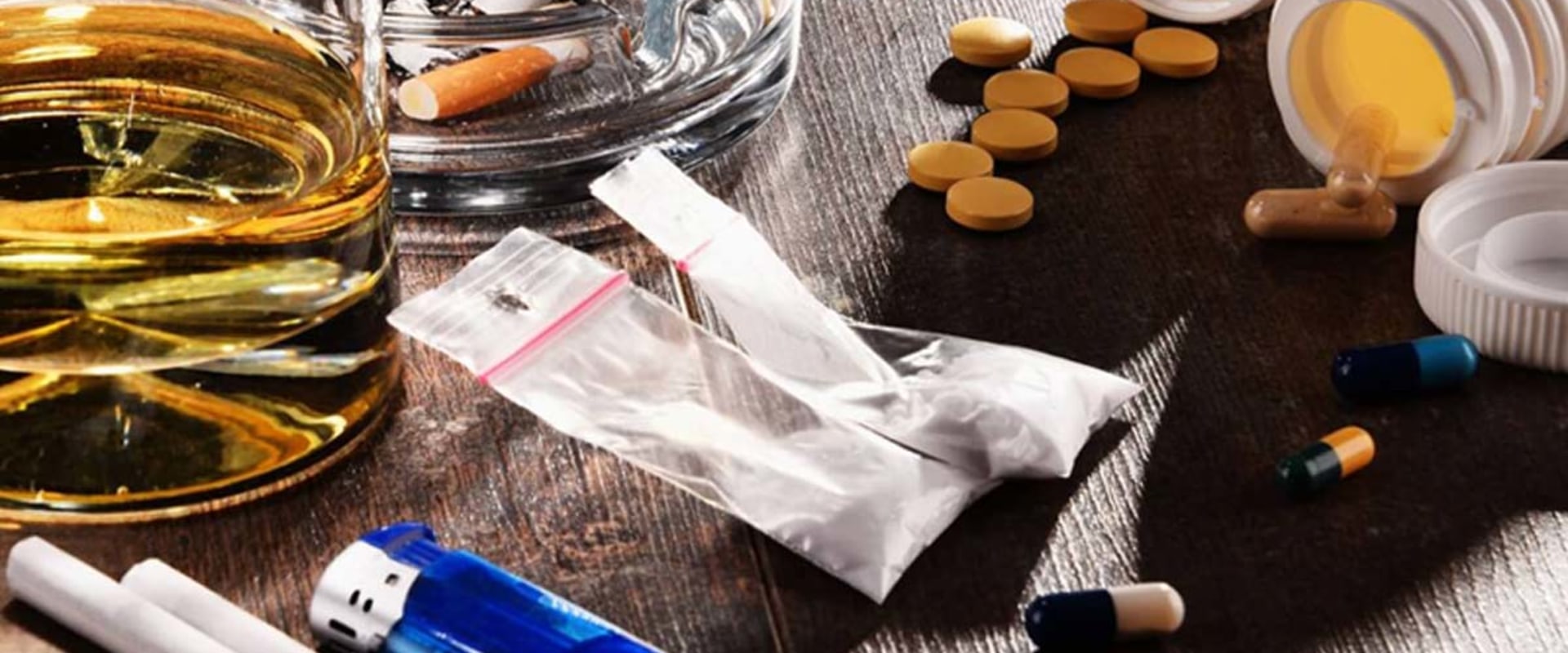
The use of illegal drugs, prescription or over-the-counter drugs, or other chemical substances for purposes other than those for which they are intended to be used, or in excessive quantities. Drug abuse can involve prescription medicines and other drugs, not just illegal substances. Drug abuse can cause social, physical, emotional and work problems.
Substance Abuse
is the medical term used to describe a pattern of substance (drug) use that causes significant problems or distress. This can be missing work or school, using the substance in dangerous situations, such as driving a car. Many factors, including risk factors such as genetic predisposition, environmental influences, and economic status, contribute to the development of substance use disorders. Early exposure to drugs, cultural factors, and several factors related to family or peer influence can also increase risk.
May cause legal problems related to substances or ongoing substance use that interferes with friends, family relationships, or both. Substance abuse, as a recognized medical brain disorder, refers to the abuse of illegal substances, such as marijuana, heroin, cocaine, or methamphetamine, as well as other drugs like synthetic drugs (e.g., synthetic cannabinoids, bath salts), illicit substances, and other opioids. It can also involve the misuse of prescription medicines, prescription medication, and other substances, including over-the-counter drugs. Or it could be the abuse of legal substances, such as alcohol, nicotine or prescription drugs. Alcohol use is the most common legal drug of abuse, and public health data often reference pure alcohol, total recorded alcohol, and per capita consumption to track trends. Psychoactive substance use encompasses both recreational drug and experimental use, which can progress to dependency and addiction.
Substance abuse is not something to be taken lightly. Occurs when you consume alcohol, prescription drugs, and other legal and illegal substances excessively or incorrectly. Drug abuse can be defined as the inappropriate use of a drug for a non-medical purpose, including drug taking and taking drugs outside prescribed guidelines. Substance abuse, also known as drug abuse, is the use of a drug in quantities or by methods that are harmful to the individual or to others.
It is a form of substance-related disorder. Different definitions of drug abuse are used in public health, medicine, and criminal justice contexts. In some cases, criminal or antisocial behavior occurs when the person is under the influence of a drug, and long-term personality changes can also occur in people. In addition to potential physical, social and psychological harm, the use of some drugs can also result in criminal penalties, although these vary widely by local jurisdiction.
What is drug abuse? Drug abuse occurs when drugs, including alcohol, illicit drugs, or any psychoactive substance, are misused to get high or self-harm. It is also known as substance use disorder (SUD), as people who abuse drugs experience significant changes in thinking, behavior, and body functions. Drug addiction, also called substance use disorder, is a disease that affects a person’s brain and behavior and leads to an inability to control the use of a legal or illegal drug or medication. Substances such as alcohol, marijuana and nicotine are also considered drugs, along with other drugs and other substances.
When you are addicted, you can continue to use the drug despite the harm it causes. Dependence varies from drug to drug in extent and effect; it can be physical or psychological, or both. Withdrawal symptoms, called withdrawal, can occur when stopping or reducing drug use, especially with opioids and alcohol. These symptoms may include physical illness, cravings, and intense urges to use the substance again. Repeated drug use and repeated drug taking can cause lasting brain changes and alter brain chemistry, leading to drug use disorders and severe substance use disorders. Taking drugs regularly increases the risk of developing a drug problem, mental disorders, and increases the risk of relapse and other health complications. Drug abuse potential tests measure various aspects of drug use and drug-seeking behavior with the goal of establishing whether the test substance shows positive reinforcing effects. Since there are several genes involved, the effect of an individual gene in making a person vulnerable to alcohol or drug abuse may be modest.
Once addictive behavior is established for women, they are stabilized with higher doses of drugs than men. As a result, many genes involved in modifying neurotransmitter balance collectively play some role in making an individual susceptible to alcohol and drug abuse. Proponents of decriminalization argue that drug prohibition makes drug trafficking a lucrative business, leading to much of the criminal activity. If your doctor prescribes a medication with potential for addiction, be careful when taking it and follow the instructions provided by your doctor.
Similarly, adopting the view that any (recreational) use of cannabis or substituted amphetamines constitutes drug abuse implies a decision that the substance is harmful, even in minimal quantities. Drug abuse occurs when these substances are taken for a purpose that is not consistent with legal or medical guidelines. People struggling with addiction generally deny that their drug use is problematic and are reluctant to seek treatment. The most direct proof of liability for drug abuse is the self-administration procedure, in which the animal is required to work to receive the test substance.
The following are the most common behaviors that indicate that a person is having a drug or alcohol abuse problem. Drug abuse represents a more serious social problem than drug dependence, since it involves a greater variety of substances and because it can occur in the absence of dependence. Especially at the beginning of treatment, the focus of the discussion focuses on behavior directly related to drug use and discontinuation of drug use. However, it is drug abuse when a person uses sleeping pills to control their mood or acquire a “buzz” or, in the worst case, commit suicide.
Street Children and Vulnerable Populations
Street children and other vulnerable populations experience significantly heightened exposure to substance abuse and illicit drug use—a challenge that demands innovative, evidence-based intervention strategies. These individuals navigate complex environments where fundamental requirements such as safety, stable housing, and emotional support systems remain inconsistent. Environmental determinants including poverty, housing instability, and violence exposure, combined with developmental factors such as early trauma or limited educational access, create conditions that significantly increase substance use risk and drug misuse potential.
For street children, daily survival pressures often lead to experimental drug use as a coping mechanism for managing stress, hunger, and psychological trauma. This experimentation can rapidly escalate into comprehensive substance use disorders, resulting in severe health complications and extensive social challenges. Illicit drug use among these populations frequently drives further marginalization, creating additional barriers to accessing critical support resources and intervention services.
Prevention programs involving family systems, alongside services delivered through mental health services administration and health and human services frameworks, represent cutting-edge solutions for addressing substance abuse among street children and vulnerable populations. These evidence-based programs focus on establishing robust supportive relationships, delivering comprehensive education about drug use risks, and providing streamlined access to mental health care services. By targeting the unique requirements of these high-risk populations, prevention programs effectively reduce drug misuse incidence, significantly improve mental health outcomes, and support the development of healthier, more stable life trajectories for those facing greatest vulnerability.